
June 15, 2026
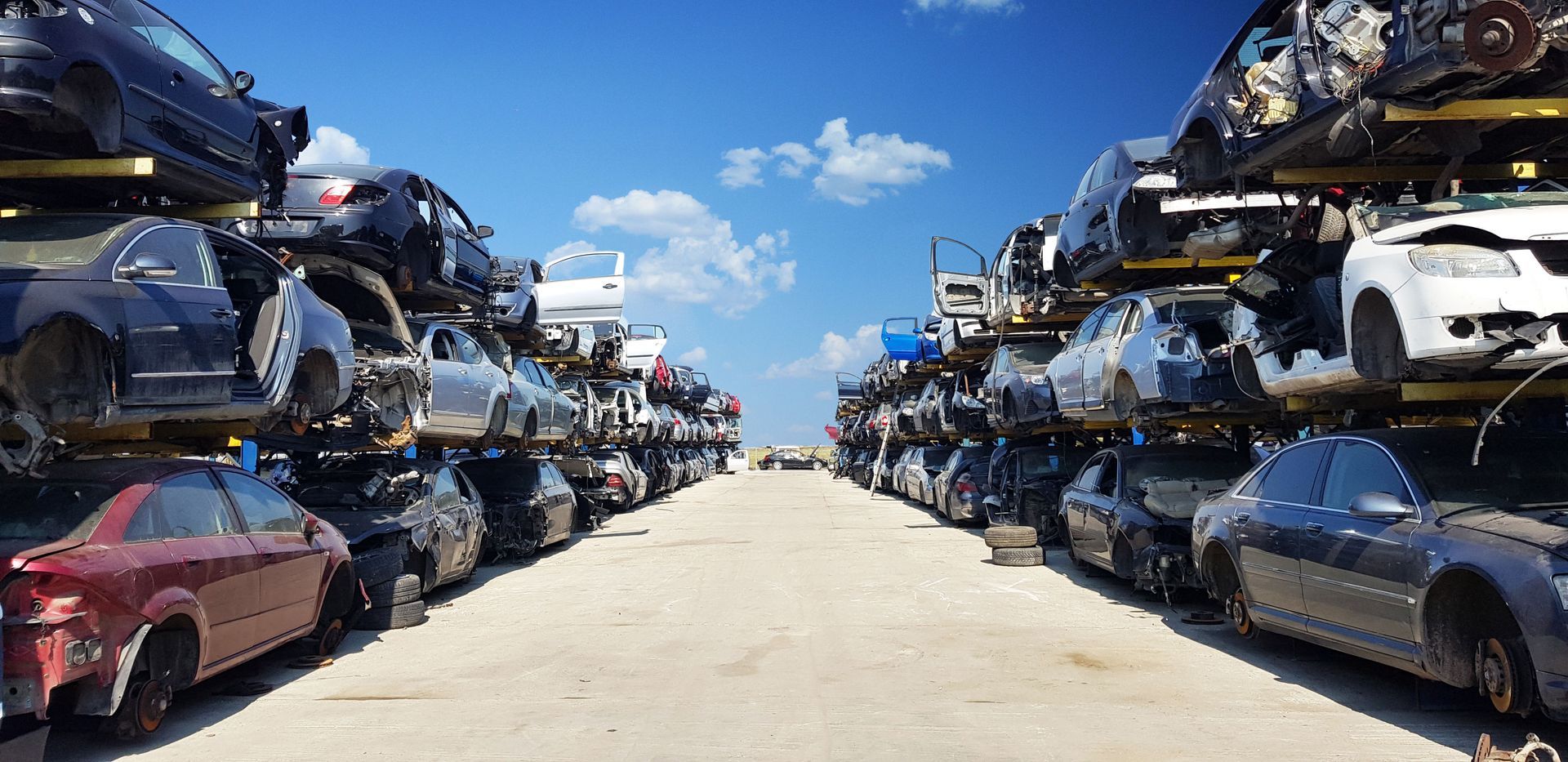
Auto recycling plays a crucial role in promoting environmental sustainability and economic vitality in today's world. It not only helps reduce the amount of waste sent to landfills but also aids in conserving valuable resources. Moreover, it contributes significantly to the economy by providing job opportunities and fostering the growth of industries related to waste management and recycling. Communities around the globe gain numerous benefits from effective auto recycling practices, including improved environmental health and reduced costs associated with raw material extraction. Given the global emphasis on sustainability, understanding and optimizing auto recycling processes are more critical than ever. For many residents, finding local cars for cash offers a seamless way to contribute to this cycle while receiving immediate financial compensation.
Understanding Auto Recycling
Auto recycling is the process of dismantling vehicles for spare parts and recovering valuable materials such as metal, plastic, and glass. It encompasses a vast array of activities ranging from small-scale operations focusing on specific car parts to large industrial processes involving shredding and material sorting. The scope of auto recycling also includes the remanufacturing of parts and the resale of recovered materials to various industries.
As the automotive industry continues to evolve with new technologies, the definition and scope of auto recycling must adapt to handle unique challenges such as electronic waste from modern vehicles. This adaptability is crucial to ensuring that auto recycling remains a viable component of the global circular economy.
The history of auto recycling dates back to the early 20th century, when vehicles became commonplace in societies worldwide. Initially, auto recycling was a nascent industry with informal practices primarily focused on salvaging usable parts for immediate reuse. As the automotive industry expanded, so did the need for systematic recycling processes, leading to the establishment of more structured and technologically advanced recycling practices. Over time, the industry evolved from manual dismantling and sorting to the utilization of sophisticated machinery and computerized systems. This progression not only improved the efficiency of auto recycling but also increased its capacity to handle larger volumes of scrap materials. Today, looking for local cars for cash is a modern convenience built upon decades of industrial evolution.
The auto recycling process is methodical, starting with the safe removal of hazardous fluids and components before dismantling the vehicle. Once hazardous materials are addressed, the vehicle is meticulously stripped of parts that can be remanufactured or resold, such as engines, transmissions, and electronics. The remaining frame goes through shredding machinery, separating ferrous and non-ferrous metals, plastics, and other materials through magnetic and eddy current separation systems.
According to industry data, approximately 25 million tons of materials are recycled from old vehicles each year globally, a significant contribution to the reduction of landfill use. This includes the recycling of massive amounts of steel annually, underscoring the importance of auto recycling in supplying raw materials to manufacturers. According to Utires, junk vehicles provide 14 million tons of recycled steel every year. The industry continues to show positive trends as innovations and heightened environmental regulations push for more efficient recycling technologies. Additionally, growing consumer awareness and government incentives are likely to bolster these trends, ensuring a steady supply of recyclable materials. The positive trajectory suggests an expanding market for local cars for cash.
Environmental Benefits of Auto Recycling
Auto recycling is instrumental in minimizing waste and reducing reliance on landfills by repurposing a significant portion of end-of-life vehicles. Instead of discarding entire vehicles, recycling enables the reclamation of metals, plastics, and glass, which are then reintroduced into production cycles. This not only alleviates landfill burdens but also lessens the environmental impact associated with raw material extraction. Prolonged landfill use is associated with harmful emissions and leachate, both of which can be mitigated through effective recycling practices. By utilizing services that buy local cars for cash, homeowners can ensure their clunkers are disposed of in a way that prioritizes the planet.
By recycling autos, we significantly contribute to the conservation of finite natural resources like iron ore, oil, and natural gas. The recovery of millions of tons of steel each year from junk vehicles is a clear example of resource conservation achieved through auto recycling. By reusing materials, the demand for raw material extraction diminishes, thereby preserving natural landscapes and reducing energy consumption. This conversation is vital against the backdrop of an ever-growing global population and the associated rise in resource demand. Auto recycling thus plays a fundamental role in the prudent management of Earth's limited resources.
Auto recycling significantly diminishes environmental pollution and reduces the automotive industry's overall carbon footprint. By decreasing the need for new raw material extraction, recycling helps mitigate the air and water pollution typically associated with mining and material processing. Furthermore, producing goods from recycled materials generally requires less energy, leading to lower carbon emissions. The environmental savings from recycling are compounded when considering the decreased demand for new manufacturing processes, which are typically energy-intensive. Hence, through concerted recycling efforts and searching for local cars for cash, we can collectively work towards a reduction in global carbon emissions.
Solutions and Strategies for Enhancing Auto Recycling
Enhancing the auto recycling industry requires improved legislation and standards that support efficient and sustainable practices. Policymakers can devise comprehensive frameworks that encourage innovation, enforce environmental standards, and provide incentives for sustainable practices in recycling. Harmonizing regulations at regional and international levels can streamline operations for companies operating across borders, fostering consistency and efficiency. Encouraging transparency in recycling standards can also build consumer trust and promote broader participation in recycling initiatives. These legislative improvements are pivotal in shaping a more robust and adaptive auto recycling sector.
Forming strategic partnerships and collaborations is essential for driving progress and innovation within the auto recycling industry, especially when looking for local cars for cash. Cross-sector collaborations between automotive manufacturers, recycling firms, and technology providers can lead to the development of closed-loop systems that maximize material recovery and reuse. Public-private partnerships can facilitate infrastructure development and knowledge transfer, enhancing industry robustness and resilience. Collaborative networks also provide platforms for sharing best practices and technological breakthroughs, fostering a collective drive towards common sustainability goals.
Auto recycling is a pivotal element in the quest for a sustainable future, offering significant environmental, economic, and social benefits. By understanding the processes, challenges, and opportunities within the industry, stakeholders can work together to overcome barriers and implement effective solutions. Emphasizing improved legislation, technological advancements, and strategic partnerships will be key in enhancing the auto recycling sector's contribution to the circular economy. As the industry evolves, continued innovation and commitment to sustainable practices will ensure that auto recycling plays a central role in achieving a resource-efficient and environmentally responsible global economy.
If you have an old, damaged, or unwanted vehicle taking up space on your property, you have a golden opportunity to participate in this vital industrial cycle. At Cash For Cars WI, we make the process of recycling your vehicle easy and rewarding. We offer the best rates for local cars for cash, providing free towing and immediate payment so you can clear your space while helping the planet. Don't let your car go to waste in a landfill—let us ensure every part is reused or recycled correctly. Contact Cash For Cars WI today to get an instant quote and see how easy it is to do your part for a greener Wisconsin!