
June 12, 2026
Selling an old vehicle can be a practical way to free up space and generate extra money. Whether your car is still running well, has mechanical problems, or is no longer roadworthy, understanding the selling process can help you maximize its value. From preparing the vehicle and determining a fair price to finding buyers and completing the paperwork, each step plays an important role in a successful transaction. Taking a strategic approach can help you avoid common mistakes, attract serious buyers, and complete the sale with confidence.
Preparing Your Car for Sale
Before listing your vehicle, spend time preparing it for potential buyers. First impressions can significantly influence how buyers perceive value. A clean and organized vehicle often appears more reliable and better maintained than one that looks neglected. Investing a little time upfront can improve buyer confidence and potentially increase offers.
Clean and Present the Vehicle
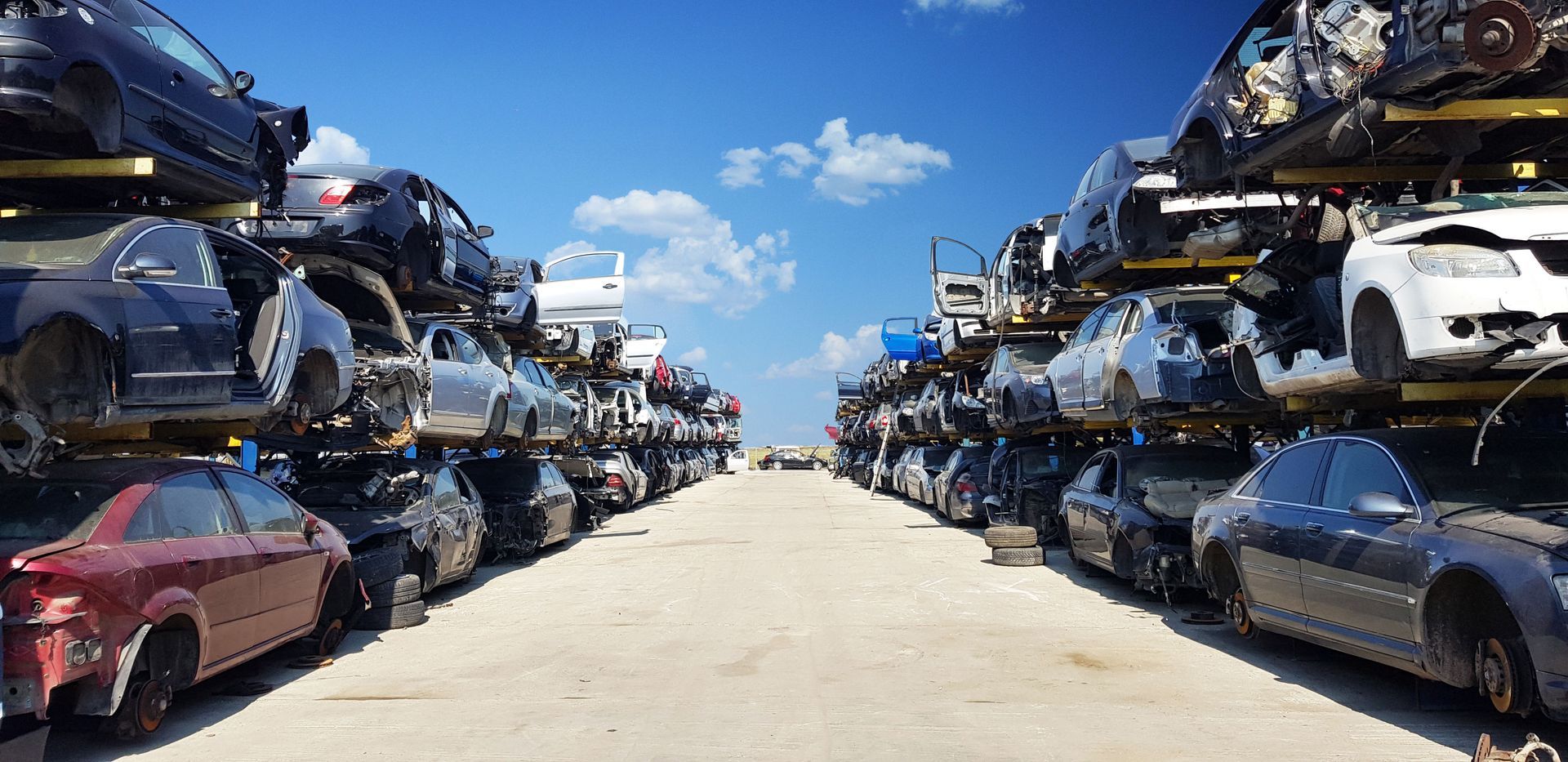
One of the most effective ways to improve your vehicle’s appeal is through a thorough cleaning. Wash and wax the exterior, clean the wheels, vacuum the interior, and wipe down all surfaces. Remove personal belongings and eliminate odors that may discourage buyers. According to Utires, about 95% of end-of-life vehicles are recycled each year, making it worthwhile to present your vehicle in the best possible condition before selling it.
Professional detailing is not always necessary, but taking the time to improve the vehicle’s appearance can help it stand out from competing listings. Buyers often associate cleanliness with responsible ownership and proper maintenance.
Gather Essential Documents
Having important paperwork readily available can simplify the transaction and build trust with prospective buyers. Collect the vehicle title, registration, maintenance records, warranty information, and receipts for recent repairs. Organized documentation demonstrates transparency and helps buyers understand the history of the vehicle.
Maintenance records can be particularly valuable because they provide evidence that the vehicle has been cared for properly. Buyers often feel more comfortable making an offer when they can review service history.
Inspect and Address Minor Issues
Conduct a basic inspection before listing the vehicle. Check lights, windshield wipers, tire condition, fluid levels, and dashboard warning indicators. Small repairs such as replacing bulbs or fixing minor cosmetic issues may improve the vehicle’s appeal without requiring a significant investment.
Focus on repairs that offer a strong return rather than expensive projects that may not increase the sale price enough to justify the cost. Being aware of any existing issues also allows you to answer buyer questions honestly and confidently.
Evaluating Your Car's Worth
Determining a fair asking price is one of the most important aspects of selling a vehicle. Pricing too high may discourage buyers, while pricing too low can leave money on the table. Research and realistic expectations are essential.
Research Market Conditions
Start by reviewing listings for vehicles similar to yours. Consider the make, model, year, mileage, condition, and location when comparing prices. Market demand can vary significantly depending on fuel prices, seasonal trends, and consumer preferences.
Researching comparable vehicles helps establish a realistic range and provides insight into what buyers are currently willing to pay. This information can help you position your vehicle competitively.
Use Vehicle Valuation Resources
Online valuation tools can provide additional guidance when determining value. These resources typically consider mileage, condition, features, and local market conditions to generate estimates. Using several valuation sources provides a broader perspective and helps support your pricing decisions during negotiations.
These estimates should serve as guidelines rather than guarantees. Actual offers may vary depending on buyer demand and vehicle condition.
Consider Vehicle Condition and Features
Mechanical condition, cosmetic appearance, accident history, and mileage all influence value. Vehicles with documented maintenance, lower mileage, and desirable features often command higher prices. Upgrades such as new tires, modern entertainment systems, or recently completed maintenance can also increase buyer interest.
If your vehicle requires major repairs, be realistic about how those issues affect its marketability. In some situations, cars for cash programs may provide a practical alternative to pursuing a private sale.
Finding the Right Buyer
The method you choose to sell your vehicle can affect both the final sale price and the overall experience. Exploring multiple options increases your chances of finding a buyer who meets your expectations.
Explore Selling Options
There are many ways to sell an older vehicle. Online marketplaces offer broad exposure and access to private buyers. Local community groups, dealership trade-ins, vehicle-buying companies, and specialized services can also be effective options. Each method offers different advantages in terms of convenience, speed, and potential return.
Some sellers choose cars for cash services because they provide quick offers and streamlined transactions. These services may be especially appealing when a vehicle has significant mechanical problems or limited resale value.
Create an Effective Listing
A strong listing can attract more qualified buyers. Include accurate details about the vehicle’s year, make, model, mileage, condition, maintenance history, and notable features. Use clear photographs that show the exterior, interior, engine compartment, and any areas of damage.
Honesty is essential. Accurate descriptions help prevent misunderstandings and ensure that interested buyers know what to expect before contacting you.
Communicate With Serious Buyers
Respond promptly to inquiries and provide clear answers to questions. Serious buyers often appreciate detailed information and timely communication. Be cautious of suspicious requests, unusual payment arrangements, or buyers unwilling to meet in person.
Establishing professional communication helps build trust and keeps the transaction moving forward efficiently.
Arrange Safe Meetings and Test Drives
When meeting prospective buyers, choose public locations and bring another person if possible. Verify the buyer’s driver's license before allowing a test drive and accompany them during the drive when appropriate.
Safety should remain a priority throughout the selling process. Taking reasonable precautions protects both parties and contributes to a positive experience.
Negotiating the Sale
Successful negotiation requires preparation, confidence, and flexibility. Understanding buyer behavior can help you navigate discussions while protecting your interests.
Know Your Minimum Price
Before discussing offers, determine the lowest amount you are willing to accept. Having a predefined minimum helps you evaluate offers objectively and avoid making emotional decisions during negotiations.
Buyers frequently negotiate, so setting an asking price that allows some flexibility can be beneficial.
Highlight the Vehicle’s Strengths
Focus on features that support your valuation. Maintenance records, recent repairs, low mileage, fuel efficiency, and reliability can all strengthen your negotiating position. Presenting factual information allows buyers to understand the value behind your asking price.
Confidence backed by documentation is often more persuasive than subjective claims about the vehicle’s condition.
Evaluate Multiple Offers
Comparing offers can help you determine whether your asking price is realistic. If private buyers are not generating acceptable offers, obtaining quotes from several cars for cash providers can offer valuable insight into the vehicle’s market value.
Having multiple options also provides leverage during negotiations and helps ensure you receive fair compensation.
Finalizing the Transaction
Once a price has been agreed upon, the focus shifts to payment, paperwork, and ownership transfer. Completing these steps carefully protects everyone involved.
Selling an older vehicle does not have to be complicated. By preparing the car properly, researching its value, communicating effectively with buyers, and completing all required paperwork, you can achieve a smooth transaction. Whether you choose a traditional private sale or explore cars for cash options, a thoughtful approach helps maximize value while minimizing stress. Comparing offers, staying organized, and understanding the process allows you to make informed decisions and achieve the best possible outcome. For many owners, cars for cash solutions provide a convenient way to sell unwanted vehicles quickly, while others may benefit from pursuing private buyers. Evaluating all available options ensures you select the approach that best matches your goals and circumstances. Contact Cash For Wars WI today and learn more about our cars for cash services.